

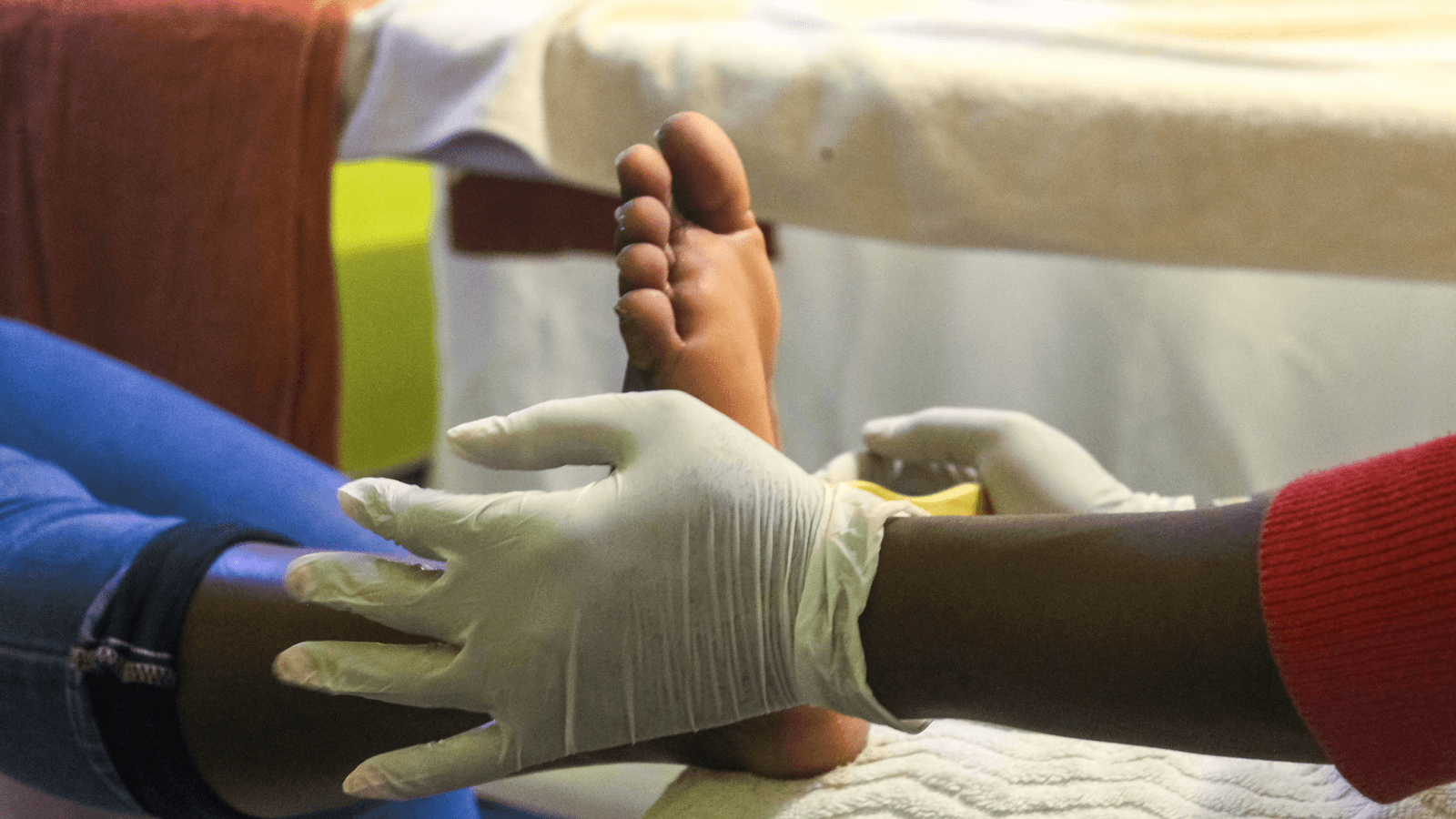
Why choose an at-home mobile pedicure?
A professional at-home mobile pedicure brings clinical sanitation, thorough nail grooming, and restorative footcare directly into your living space without the rush, noise, or hygiene anxieties of a traditional high-street salon. For busy working professionals, expectant mothers, elderly family members, or individuals who value discreet, one-on-one attention, having a qualified mobile pedicurist visit your home provides an elevated standard of comfort and personalized care.
The contrast between salon foot spas and dedicated mobile pedicure setups is striking. Stationary whirlpool pedicure chairs feature internal pipes, jets, and filter screens that are notoriously difficult to dismantle and scrub between clients. State public health investigations frequently reveal that recirculating jet pipes harbor bacterial biofilms, *Mycobacterium fortuitum*, and fungal pathogens. In contrast, an accredited mobile technician uses either a personal foot basin fitted with a medical-grade single-use liner, or performs an advanced waterless dry machine pedicure with sterilizable instruments.
Before scheduling an in-home pedicure, understanding how the appointment unfolds—from space requirements and water options to safety protocols and contraindications—ensures you receive a relaxing, clinically safe service that leaves your feet soft, refreshed, and flawlessly polished.
Basin soak vs. waterless pedicures: Understanding modern methods
Mobile nail technicians typically offer two distinct approaches to foot care: the classic warm-water basin soak and the increasingly popular waterless (or dry e-file) pedicure. Both methods yield outstanding cosmetic results, but they operate on fundamentally different dermatological principles.
1. The Classic Basin Soak with Disposable Liners
In a traditional mobile soak pedicure, the technician fills a portable, insulated foot basin with warm water infused with antimicrobial soaks, magnesium Epsom salts, or soothing essential oils. You soak your feet for 5 to 10 minutes to soften stubborn dead skin and relax tired muscles before the technician begins nail shaping and exfoliation.
The critical factor in a mobile setting is strict containment. The technician must line the basin with a heavy-gauge disposable plastic liner that is discarded immediately after your service. The basin itself must be washed and wiped down with hospital-grade disinfectant spray between visits to eliminate any risk of cross-contamination.
2. The Waterless / Dry E-File (Medical-Style) Pedicure
Waterless pedicures are rapidly becoming the preferred standard among top dermatologists, podiatrists, and luxury mobile technicians. Instead of soaking your feet in water, the technician uses steaming botanical hot towels, exfoliating fruit-acid scrubs, and specialized urea-based keratolytic foams to soften hard skin cells on contact.
The technician then uses a precision electric file fitted with sterilized diamond burrs and single-use sanding caps to gently exfoliate dry calluses and refine cuticle contours with microscopic accuracy.
- Enhanced skin safety: Water soaking causes skin cells to swell unevenly like a wet sponge. When swollen skin is filed, rasps can inadvertently tear living dermal layers, leading to rebound callus formation. Dry exfoliation allows the technician to distinguish dead keratin from living skin with extreme precision.
- Superior polish and gel longevity: When toenails soak in water, the porous keratin plate absorbs moisture and expands. If polish or gel is applied over an expanded nail plate, the nail shrinks as it dries over the following 24 hours, causing premature chipping and peeling. Waterless nails remain dry and stable, dramatically improving polish adhesion.
- Zero water mess in your home: Waterless pedicures eliminate the need to carry heavy buckets of warm water through your home or worry about domestic carpet splashes.
Comparison of modern mobile pedicure techniques
Review this technical comparison to determine which pedicure methodology best matches your skin condition, home setup, and aesthetic priorities:
| Pedicure Type | Water Source | Infection Control Profile | Callus Smoothing Method | Polish Longevity | Ideal Candidate |
|---|---|---|---|---|---|
| Lined Basin Soak | Warm tap water + salts | Single-use heavy-gauge basin liner | Manual sanitizable foot rasp & scrub | 10–14 days (regular lacquer) | Clients seeking warm aromatherapy relaxation and muscle relief |
| Waterless Steam & Towel | Steamed moist herbal towels | Autoclaved hot towels + antiseptic mist | Urea keratolytic foam + manual buffer | 2–3 weeks (regular) / 3–4 weeks (gel) | Busy clients, pregnant women, homes with delicate hardwood or carpet |
| Dry E-File / Medical-Style | Zero water used | Diamond burrs & single-use sanding caps | Precision multi-speed electric file | 3–4+ weeks (maximum adhesion) | Thick calluses, cracked heels, diabetic clients needing gentle precision |
Non-negotiable hygiene standards and infection control
Feet carry a naturally higher microbial load than hands, and microscopic breaks in dry heel skin provide an easy gateway for pathogenic infections. When inviting a mobile technician into your home, you have an absolute right to inspect their sanitation standards.
Reputable mobile pedicurists follow strict clinical protocols equivalent to medical outpatient environments. Metal implements—including toenail nippers, cuticle pushers, diamond e-file bits, and curettes—must undergo ultrasonic cleaning followed by hospital-grade autoclave sterilization or prolonged submersion in an EPA-registered tuberculocidal disinfectant. These tools should remain sealed inside sterilization indicator pouches and unsealed in your direct view.
Equally critical are single-use disposables. Any porous implement that cannot be autoclaved must be discarded after a single client appointment. This includes emery boards, foot-file adhesive replacement pads, buffer blocks, wooden orange sticks, and foam toe separators. Never accept a technician using worn files or unpouched tools.
Medical boundaries: Diabetic safety, neuropathy, and podiatry limits
Nail technicians are licensed beauty professionals, not medical physicians, podiatrists, or chiropodists. A crucial sign of a top-tier mobile technician is their ability to recognize contraindications and know exactly when to decline a service and refer you to a medical specialist.
- Safe for mobile pedicures: Dry callused heels, superficial nail ridges, overgrown cuticles, mild cosmetic discoloration, healthy natural nails.
- Requires podiatrist evaluation: Bleeding or purulent ingrown nails, deep bleeding heel fissures, suspected fungal nail infections, spreading plantar verrucas, diabetic ulcers.
Diabetic Foot Care and Peripheral Neuropathy
If you or a family member have Type 1 or Type 2 diabetes, peripheral neuropathy, or compromised peripheral circulation, you must inform your technician before booking. Diabetes can cause nerve desensitization, meaning you may not feel minor heat spikes, pressure, or micro-cuts.
A specialized technician will adjust their protocol: they will avoid aggressive filing, never use sharp curettes deep in lateral nail grooves, keep water temperatures tepid (below 37°C / 98.6°F) to prevent scalds, and use non-acidic enzymatic moisturizers.
Ingrown Toenails vs. Cosmetic Lateral Grooming
A technician can gently clear dead skin debris from the lateral nail fold and trim toenails straight across to prevent future curling. However, if your toenail has pierced the skin, or if the nail wall is red, throbbing, swollen, or weeping pus, the technician must NOT perform invasive cutting or 'bathroom surgery'.
Attempting to excise an infected ingrown toenail outside a sterile surgical suite introduces severe secondary bacterial infections that can spread to the underlying bone (osteomyelitis). If your toe is infected, seek immediate treatment from a certified podiatrist.
Fungal Infections (Onychomycosis) and Plantar Warts
If a toenail is thick, yellowed, crumbly, and detached from the nail bed, it is likely infected with fungal dermatophytes. Artificial gel polish should never be applied over active fungal onychomycosis, as sealing the nail plate traps moisture and accelerates fungal spore growth.
Similarly, plantar warts (caused by the Human Papillomavirus, or HPV) cannot be scrubbed away with a foot file; aggressive abrasion will merely aerosolize the virus and spread warts across your entire foot sole. A professional will politely decline to treat affected areas and guide you to clinical treatments.
How to prepare your home and seating before your technician arrives
You do not need a dedicated spa room to receive a world-class mobile pedicure. However, taking five minutes to stage your living area before the technician knocks on your door ensures an effortless, comfortable service.
1. Choose Ergonomic, Elevated Seating
Select a comfortable armchair, a sturdy sofa with firm back support, or a reclining lounge chair where you can sit comfortably with your knees relaxed and legs gently extended. Avoid soft, sagging beds where you sink backward, as this forces the technician into severe spinal flexion.
2. Floor Protection and Work Zone
Clear a 2-meter by 2-meter footprint around your seating area. While professional mobile pedicurists carry waterproof, disposable floor drop sheets and absorbent towels to protect your flooring, setting up over hard surface flooring (hardwood, laminate, or tile) is preferable to plush carpets whenever possible.
3. Power and Warm Water Access
Ensure there is an accessible electrical wall outlet within 2 to 3 meters for the technician's task lamp, e-file console, or LED curing lamp. If you have booked a traditional soak pedicure, confirm that your bathtub or kitchen sink has accessible hot water ready for basin filling.
4. Child and Pet Safety
Curious dogs and cats can easily knock over warm foot basins, lick chemical foot scrubs, or jump onto electric cables. For the safety of your pets and the technician, please secure animals in another room during the appointment.
Post-pedicure aftercare and foot health maintenance
A professional pedicure provides an immediate reset, but your daily home habits determine whether your heels stay supple for five weeks or return to dry cracking within seven days.
- Nightly urea cream application: Use a foot cream formulated with 10% to 20% urea every evening before bed. Urea is an extraordinary humectant and gentle keratolytic agent that breaks down hard dead keratin without causing the rebound thickening triggered by aggressive abrasive scrubbing.
- Lock in hydration with breathable socks: After massaging in foot cream, slip on clean 100% cotton socks for 30 minutes or overnight. This prevents moisturizer from rubbing off on your bedsheets and drives deep hydration into heel fissures.
- Never cut toenail corners rounded: If you must groom your toenails between appointments, always use a flat-edge nail clipper and trim straight across. Rounding down into the lateral corners forces the growing nail edge into surrounding tissue, causing agonizing ingrown nails.
- Apply cuticle oil to toenails: Just like fingernails, your toenail plates and eponychium need lipid nourishment. A drop of jojoba-based oil massaged into toe cuticles every other day prevents toenails from becoming brittle and yellowed.
- Wear supportive footwear: Walking barefoot on hard tile or concrete floors creates continuous impact trauma that encourages your heels to develop thick defensive calluses. Wear cushioned house slippers indoors to cushion your heel fat pads.
How to book and verify a qualified mobile pedicurist
Finding a dedicated mobile nail technician who treats foot health with clinical precision is easy with Naildexo. Use our interactive map to discover verified mobile specialists serving your neighborhood.
When contacting a prospective technician, confirm their pedicure menu, verify whether they offer waterless or basin-lined services, mention any specific medical or mobility considerations upfront, and check their verified client reviews. Experience the ultimate luxury of professional footcare delivered straight to your door.