

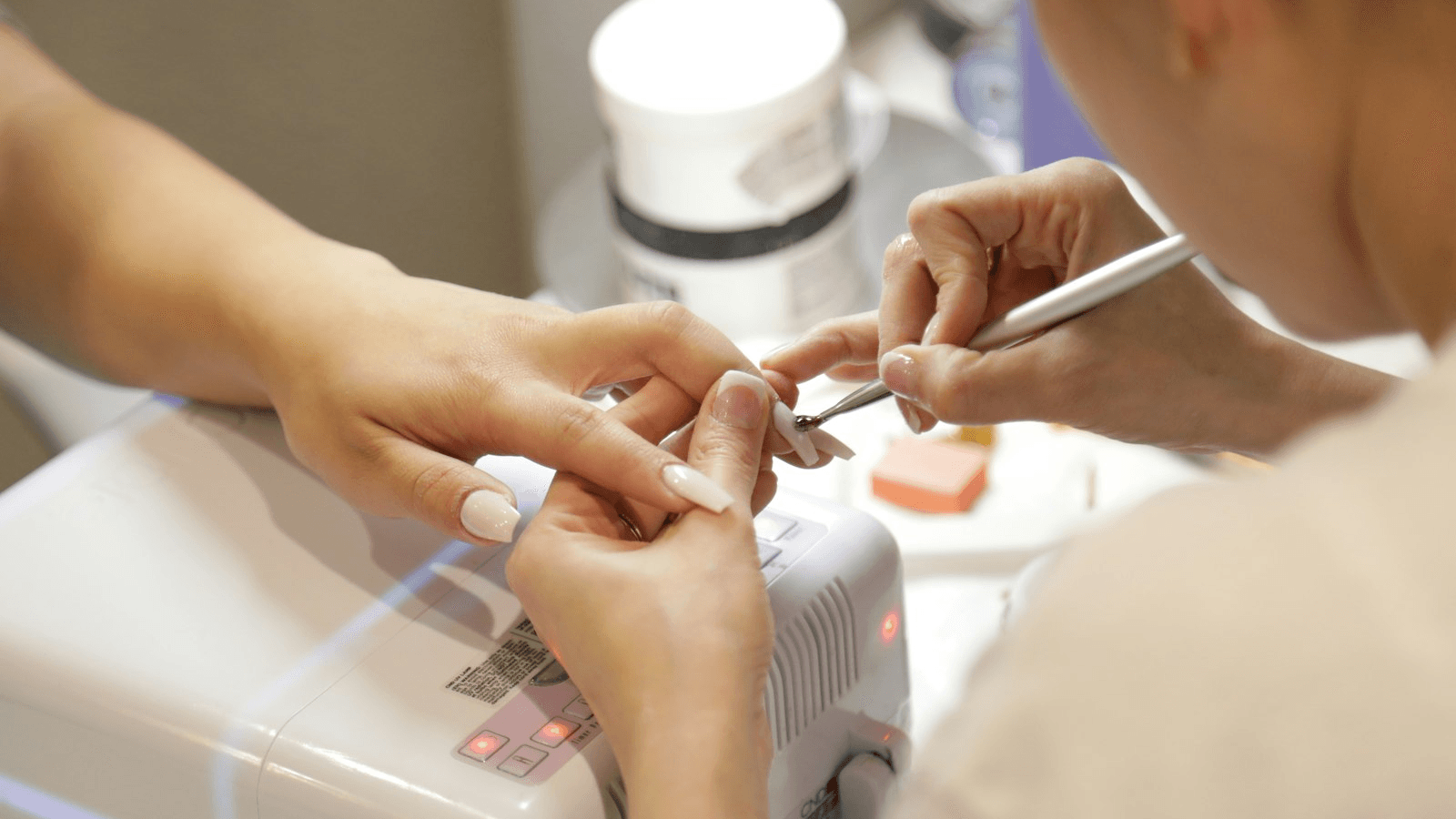
Mobile ergonomics: protecting posture and physical longevity
Operating as a mobile nail technician offers tremendous professional independence, flexible scheduling, and high profit margins. However, it also presents severe physical hazards if ergonomics are neglected. In a traditional salon, workstations, hydraulic chairs, and lighting rigs are dialed in to protect the practitioner's spine. In mobile work, you are thrust into unpredictable domestic environments: low coffee tables, kitchen islands with high barstools, soft plush sofas, and dim overhead domestic lighting.
Performing micro-precision cuticle work while hunched over an improperly sized table for 90 minutes induces chronic lumbar strain, cervical spine compression, and carpal tunnel syndrome. Over 4 to 6 daily appointments, poor ergonomics will end a promising mobile career within years.
To safeguard your longevity, invest in portable ergonomic gear. Never work without a portable, height-adjustable client wrist support (such as a memory-foam manicure pillow with wipeable antimicrobial leather). Bring a portable seat wedge cushion that tilts your pelvis forward, maintaining the natural lordotic curve of your lumbar spine even on stiff kitchen chairs.
The 4-Zone mobile kit packing architecture
The secret to fast, professional, and hygienic mobile appointments is modular kit organization. Digging through an unstructured duffel bag in front of a paying client looks amateurish and risks cross-contamination. Organize your vehicle cases into four distinct, self-contained functional zones:
| Kit Zone | Essential Equipment | Specification / Feature | Sanitation & Transport Rule |
|---|---|---|---|
| Zone 1: Sterilized Tools | Nippers, pushers, scissors, carbide bits | Medical-grade stainless steel | Sealed in dated autoclave/disinfection pouches |
| Zone 1: Disposables | Files (100/180/240), buffers, orange sticks | High-density foam / wood | 100% single-use; discard or gift to client |
| Zone 2: Solvents & Liquids | 99% Isopropyl alcohol, pure acetone | Lockable pump dispensers with safety seal | Transport upright in leak-proof chemical trays |
| Zone 2: Preps & Disinfectants | Dehydrators, acid-free primers, Barbicide wipes | Original manufacturer labeled bottles | Must have EPA hospital-grade registration label |
| Zone 3: Treatment Gels | BIAB, color gels, rubber bases, top coats | Coded swatches, low-HEMA formulations | Store in insulated thermal bag (18°C–23°C) |
| Zone 4: Electrics & Hardware | Cordless LED lamp, brushless e-file, dust collector | Rechargeable, minimum 6-hour battery capacity | Wipe down with disinfectant wipes after every visit |
Zone 1: Sterile & Disposable Supplies
Keep all sterilized implements and fresh single-use supplies sealed in dedicated, transparent zip pouches or hard-shell cases. This zone contains:
- Sealed sterilization pouches containing autoclave-processed or hospital-disinfected metal implements (nippers, pushers, scissors).
- Individually wrapped single-use 100/180 and 180/240 grit wooden/cardboard files and buffing blocks.
- Pre-cut lint-free cotton wipes stored in an airtight acrylic dispenser.
- Sterile orange wood sticks and single-use micro-brushes.
- Impermeable disposable table mats (dental bibs) and black nitrile gloves.
Zone 2: Chemical Liquids, Solvents & Preps
Chemical solvents present severe spill and odor hazards during transit. Store all liquids upright in leak-proof, chemical-resistant cases with secure foam cutouts:
- 99% Isopropyl alcohol and pure acetone in lockable, leak-proof pump dispensers with spill-proof safety caps.
- Nail dehydrators, acid-free primers, and bonder liquids in original labeled bottles.
- Hospital-grade surface disinfectant spray and quick-kill EPA disinfectant surface wipes.
- Medical hand sanitizer gel with a minimum of 70% alcohol content.
Zone 3: Treatment Products & Color Palette
Curate your treatment products into organized, drop-in modular trays so clients can browse without disrupting your workflow:
- Core builder gels (BIAB / soft builder gel) in clear, nude, and cover shades.
- Curated color gel polishes organized by seasonal palette with labeled swatch sticks.
- Base coats, rubber bases, non-wipe high-gloss top coats, and velvet matte top coats.
- Nail art mediums: chrome pigments, foil transfer gels, fine liner brushes, and dotting tools.
Zone 4: Hardware & Electrics
Your electrical hardware is the heartbeat of your mobile business. Select cordless, rechargeable models wherever possible to eliminate dependence on inconvenient wall socket placements:
- Cordless dual-wavelength LED/UV lamp: Minimum 48W with reflective mirror baseplate and 365+405nm light beads.
- Brushless portable e-file: Low-vibration, high-torque micro-motor with variable speed up to 35,000 RPM and forward/reverse settings.
- Portable desktop dust collector: Compact, rechargeable extraction unit with HEPA filtration to capture airborne keratin dust.
- High-CRI rechargeable task light: Daylight-balanced (5000K–5500K) portable lamp with flexible gooseneck and sturdy clamp base.
- Heavy-duty extension lead: Minimum 5-meter surge-protected cord with multi-gang socket for older homes.
Client site assessment, portable lighting, and power management
Before traveling to a new client's address, conduct a proactive site check via your automated booking questionnaire. Request details regarding floor level, elevator availability, parking restrictions, and table availability.
Domestic lighting is notorious for creating heavy shadows. Warm yellow 2700K ceiling bulbs distort polish colors, while overhead pendant lights cast your own head's shadow directly over the client's cuticles. Always position your daylight task lamp slightly above and behind the client's hand, angling light toward the cuticle pocket so every micro-millimeter of skin is crystal clear.
Charge all cordless equipment overnight. Always carry a compact power bank capable of running your e-file or lamp in an emergency, along with a universal surge protector. If a client's circuit breaker trips mid-appointment, you must be capable of completing the service without panic.
The 7-minute setup and pack-down workflow
Time spent unpacking and packing down is non-billable transition time. Top-tier mobile professionals practice a standardized, choreographed 7-minute drill:
Minute 1–2 (Entry & Assessment): Greet client, sanitize hands, inspect the chosen table, position chairs, and test nearby power.
Minute 3–4 (Barrier & Electrics): Lay down disposable impermeable table barrier. Position dust collector, armrest, and daylight task lamp. Plug in extension lead if needed.
Minute 5–7 (Tool Staging & Consultation): Stage sanitized tool pouch, fresh disposable file, and required gel systems. Conduct initial visual nail inspection, discuss desired design, and begin service.
Pack-Down Protocol: At the end of the appointment, immediately seal all disposable items, wipes, and dust-collector sheets into a dedicated plastic waste sack. Place contaminated metal implements into an enclosed 'used tools' container for vehicle decontamination. Wipe down all equipment surfaces with disinfectant wipes before repacking cases.
Vehicle transit, climate control, and chemical safety
Your vehicle is an extension of your mobile studio. Transporting sensitive cosmetic chemicals requires active climate management.
Never leave UV gel polishes, builder gels, or monomers in a vehicle trunk during extreme weather. Sub-zero winter temperatures cause gel oligomers to thicken and separate, while intense summer heat (which can exceed 50°C/120°F inside a parked car) can trigger premature thermal polymerization inside the bottles, ruining hundreds of dollars of stock.
Use insulated thermal courier bags for product storage. Secure all cases with cargo straps or non-slip boot mats so sudden braking does not send heavy equipment cases tumbling into glass bottles.